
 Add business listing!
×
×
The Easter season, a cornerstone of the Christian liturgical year, is a time of profound joy, renewal, and celebration. Central to its observance is the distinct vesture worn by clergy during services, particularly the vibrant and symbolic Easter chasuble. This specialized liturgical garment is not merely a piece of clothing; it is a visual narrative of the Resurrection, embodying theological truths and enhancing the spiritual experience of the faithful.
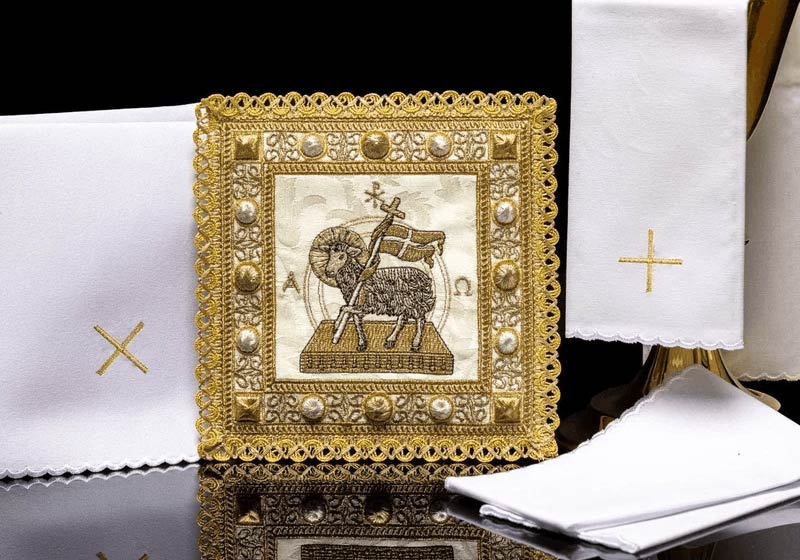
The chasuble, derived from the Latin "casula," meaning "little house," has evolved over centuries to become the primary outer vestment of the priest during the Eucharist. While chasubles are worn throughout the year, those designated for Easter carry a special weight and beauty. They are crafted to reflect the triumphant theme of Christ's victory over death, a message that resonates deeply with the core tenets of Christian faith.
The predominant colors for Easter vestments are white and gold, both imbued with profound symbolic meaning. White represents purity, joy, new life, and the divine light that emanated from Christ's empty tomb. It is the color of baptism, a sacrament that initiates believers into the new life of Christ, a theme particularly relevant during the Easter Vigil. Gold, often used in intricate embroidery or as the base fabric, symbolizes glory, triumph, and the divine majesty of the resurrected Christ.
Easter chasubles are frequently adorned with a rich tapestry of symbolic motifs, each contributing to the overall theological message. These designs are not merely decorative; they serve as visual aids, reinforcing the teachings of the Church and inspiring devotion.
The cross, while a symbol of Christ's suffering and death, is also intrinsically linked to His Resurrection. Easter chasubles often feature prominent crosses, sometimes stylized to represent victory rather than sacrifice. These may incorporate elements like lilies, representing purity and new life, or a dove, symbolizing the Holy Spirit who empowered Christ's resurrection and continues to animate the Church.
The Greek letters Alpha and Omega, the first and last letters of the Greek alphabet, are frequently incorporated into Easter vestment designs. They signify Christ as the beginning and the end of all things, emphasizing His eternal nature and His role in both the creation and the ultimate redemption of the world. Their presence on an Easter chasuble underscores the divine plan fulfilled through the Resurrection.
The Paschal Lamb, or Agnus Dei, is a powerful symbol of Christ as the sacrificial Lamb who takes away the sins of the world. Depicted often with a banner of victory or standing before the empty tomb, the Agnus Dei on an Easter chasuble directly connects the sacrifice of the cross with the triumph of the Resurrection, highlighting the redemptive power of Christ's act.
Some elaborate Easter chasubles feature depictions of the empty tomb itself, sometimes with angels proclaiming the good news of Christ's rising. In other designs, the Risen Christ may be subtly represented, often with symbols of His divinity, such as a radiant aura or stigmata that are now signs of victory.
Floral designs, particularly lilies and vines, are common on Easter vestments. Lilies symbolize purity and the new life of the Resurrection. The vine, referencing Christ's words, "I am the true vine," speaks of the spiritual union between Christ and His followers, a union made possible and strengthened by His Resurrection.
The creation of an Easter chasuble is often a labor of love and devotion. Skilled artisans employ various techniques to bring these symbolic garments to life. Rich fabrics such as silk, damask, and brocade are chosen for their elegance and symbolism. Intricate embroidery, often using gold and silver threads, brings the sacred imagery to life with detail and luminescence. In some cases, precious stones or pearls may be incorporated to further enhance the garment's splendor and represent heavenly glory.
For the clergy, wearing the Easter chasuble is a profound experience. It is a tangible reminder of the central mystery of their faith and a visual proclamation of the Resurrection to the congregation. The weight and beauty of the vestment can inspire a deeper sense of awe and reverence during the liturgy.
The Easter chasuble is far more than a liturgical garment; it is a vestment of hope, a visual sermon, and a sacred symbol of the most joyous event in Christian history. Through its colors, motifs, and masterful craftsmanship, it powerfully communicates the message of Christ's victory over death and the promise of new life offered to all believers. As the clergy don these radiant vestments, they not only fulfill their liturgical role but also serve as living embodiments of the glorious truth of the Resurrection, inspiring faith and worship in the hearts of all who witness them.
 Business Directory
 For Business Owners
 Popular categories