
 Add business listing!
×
×
Tracing family history often leads to places where personal memory and European history meet. We create journeys that connect archival research, heritage travel, and historical reflection in one carefully planned experience. Through concentration camps in Poland tours, broader concentration camp tours in Europe, and thoughtfully arranged Poland tours for seniors, we help you explore the past with context, structure, and respect while staying connected to the people, places, and stories that shaped your roots.
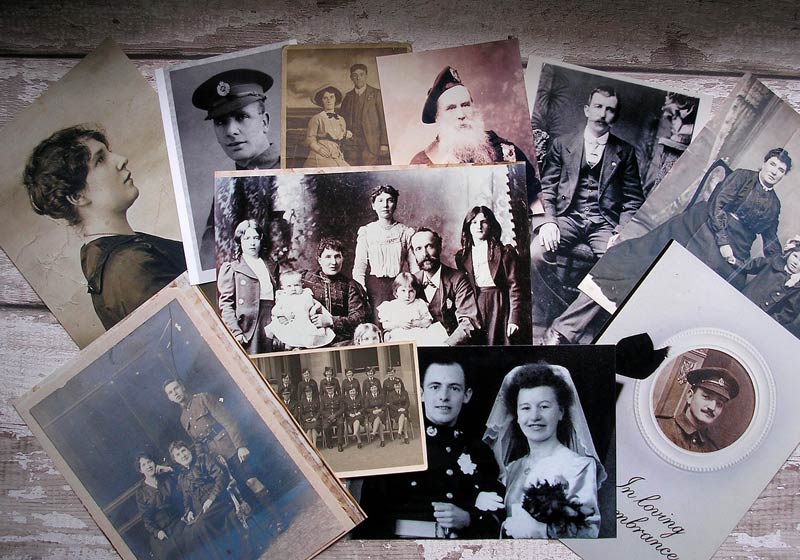
Family history is rarely limited to certificates and family trees. In many cases, it is also tied to places marked by war, displacement, survival, and loss. That is why our travel planning brings together archival work, local expertise, and routes built around personal history. When a family story intersects with the Second World War, concentration camps in Poland tours become part of a larger journey that helps visitors understand not only what happened in Europe, but also how those events affected individual families and communities. Our work begins with preparation. Before any itinerary is finalized, we review family background, travel goals, regional connections, and the historical sites that matter most to the traveler. This allows us to build routes that are grounded in context rather than assembled as standard sightseeing programs.
Some visitors want to focus on memorial locations in Poland, while others need a wider perspective that includes concentration camp tours in Europe as part of a broader heritage route. The material on our website reflects this approach by presenting both focused visits in Poland and a wider historical framework that includes camps and memorials in other European countries. Within Poland, travelers may choose to visit Auschwitz Birkenau, Majdanek, Treblinka, or other sites connected with wartime persecution. These locations require a measured pace, historical explanation, and room for reflection. Our itineraries are designed to respect that reality. Rather than treating memorials as isolated attractions, we place them within a fuller narrative that may also include ancestral towns, former Jewish districts, cemeteries, parish archives, and locations connected to prewar family life. In this structure, concentration camps in Poland tours serve as one part of a more complete process of historical understanding.
The same principle applies when clients are interested in routes beyond Poland. Memory does not always remain within one border, especially in families shaped by migration, deportation, military service, or postwar relocation. For that reason, concentration camp tours in Europe can extend into Germany, Austria, the Czech Republic, France, or the Netherlands, depending on the documented path of a family story or the educational aim of the trip. Our role is to organize these routes in a way that preserves continuity between places and shows how local events belonged to a much larger system of persecution and occupation. Historical travel of this kind needs more than transport and hotel reservations. It requires interpretation, coordination, and an understanding of how people respond to sites of trauma.
We work with local guides and researchers who can explain the historical background of each location while keeping the traveler’s personal context in view. That support helps transform difficult visits into meaningful ones. It also allows the journey to remain coherent, especially when travelers combine memorial sites with research in archives or visits to locations tied to family origins. For more than 15 years, Genealogy Tour has developed heritage journeys that connect research with travel across Poland and other parts of Europe. This long practice shapes the way we plan routes, guide visitors, and adapt each trip to personal expectations, budget, and historical scope. When we organize concentration camps in Poland tours or more extensive concentration camp tours in Europe, our aim is to create an experience rooted in documentation, memory, and cultural context rather than generic tourism.
Many people decide to explore family history later in life, when there is more time to revisit old stories, preserve memory for children and grandchildren, and return to places known only from family conversations. That is why our travel planning gives special attention to Poland tours for seniors, where heritage discovery is balanced with comfort, pacing, and practical organization. These journeys are designed for travelers who want historical depth and personal meaning without unnecessary strain. The structure of our senior program reflects that goal clearly. As described on our site, the itinerary spans 12 days, with spring and fall departures, centrally located hotels, guided sightseeing, included meals, and transportation arranged to simplify movement between cities.
The route covers Warsaw, Torun, Gdansk, Poznan, Wroclaw, and Krakow, while genealogical support is available before and during the trip. This means Poland tours for seniors can function not only as cultural travel, but also as a framework for family history work carried out in parallel with the journey. Comfort matters in heritage travel because emotional focus is often just as important as physical ease. Older travelers may want time in cemeteries, churches, archives, or ancestral villages, and those visits require planning that leaves room for reflection. Our routes therefore avoid unnecessary rush. We organize transport, hotel stays, guide services, and local coordination so that each day supports the broader purpose of the trip. In this setting, Poland tours for seniors become a way to engage deeply with history while maintaining a rhythm suited to the traveler.
For some families, senior travel also includes visits to wartime memorials. In those cases, concentration camps in Poland tours can be integrated into the itinerary with the same attention to pacing and historical context. A visit to Auschwitz Birkenau or Majdanek may be followed by time in Kraków, Warsaw, or a family hometown, helping the traveler move between public history and personal memory in a structured way. When needed, we can also extend the route into concentration camp tours in Europe, especially if a family’s history continues through several countries or memorial sites. What makes these journeys meaningful is the connection between research and place. A city stop becomes more personal when tied to a family address, a parish record, or a story preserved for decades. A memorial visit gains added depth when linked to archival evidence or regional history connected to one’s relatives. This is the perspective we bring to every itinerary.
Our role is not only to move travelers between locations, but to help them understand why those places matter and how they fit into a larger family narrative. Genealogy Tour organizes these programs as part of a wider heritage mission rooted in research, local partnerships, and personalized travel design. Whether the journey centers on Poland tours for seniors, memorial visits, or a route that reaches further into concentration camp tours in Europe, the purpose remains the same: to create a clear path through history that connects records, places, and lived memory. Through that process, the past becomes easier to understand, easier to preserve, and easier to pass on within the family.
 Business Directory
 For Business Owners
 Popular categories