
 Add business listing!
×
×
Managing workplace technology at scale is no longer just about buying laptops or replacing smartphones every few years. For global and fast-moving organizations, the real challenge lies in standardization, lifecycle control, cost predictability, logistics, support, and secure end-of-life handling. That is where devicenow comes in - with a flexible Device as a Service model designed for enterprises that need workplace IT to be simpler, faster, and easier to scale.
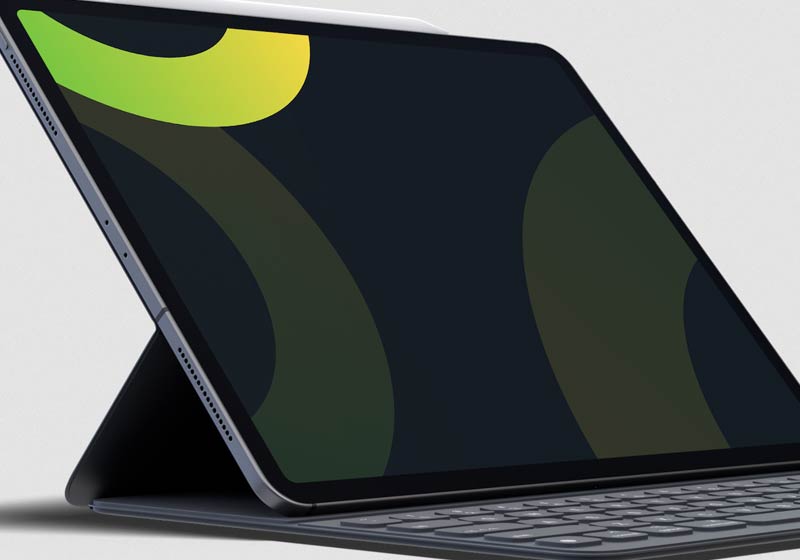
Device as a Service is often described as a convenient alternative to purchasing hardware, but for large organizations, it is far more than that. At devicenow, Device as a Service is a complete operating model for workplace IT - one that helps enterprises move away from fragmented purchasing, inconsistent device standards, and resource-heavy lifecycle management. Instead of treating hardware as a collection of one-off transactions, companies can manage laptops, smartphones, tablets, desktops, screens, workstations, and peripherals through one unified service designed for scale. This approach is especially valuable for enterprises managing more than 1000 IT seats, where even small inefficiencies in procurement, staging, support, or returns can create major operational overhead across multiple departments and countries.
The real strength of Device as a Service lies in everything that happens around the device itself. devicenow takes responsibility for procurement, stock keeping, staging, delivery, replacement processes, monthly billing, and end-of-life management, creating a full lifecycle solution that reduces administrative burden for internal IT and procurement teams. Devices are sourced from leading brands and prepared according to the customer’s specifications before they ever reach the user. That means employees receive equipment that is ready to work from the moment it is unpacked, whether it is delivered to a corporate office or directly to a home office. This zero-touch deployment model accelerates onboarding, supports hybrid work environments, and helps businesses maintain consistent standards without overloading internal teams with manual preparation and coordination tasks. When a device malfunctions, the service continues to prove its value through Next Business Day Swap and Break & Fix support, helping organizations minimize user downtime and maintain productivity.
From a financial perspective, Device as a Service brings welcome predictability to enterprise IT. Instead of tying up capital in large hardware purchases, businesses can shift from CapEx to Opex with a fixed monthly price per device. This makes planning easier, improves budget transparency, and supports more agile decision-making, especially in organizations experiencing rapid growth, structural change, or international expansion. Just as importantly, devicenow bills only for devices that are actively in use, which helps companies avoid paying for dormant inventory or overcommitting to traditional procurement cycles.
At the end of the subscription period, the process remains just as streamlined: devices are returned for reuse or repurposing, certified data erasure is handled securely, and end-of-life workflows are managed without unnecessary complexity. Supported by API integration and the devicenow Lifecycle Portal, customers can connect the service to their existing procurement or ITSM tools, maintain established workflows, and gain centralized visibility over the entire device lifecycle. In short, Device as a Service from devicenow is not simply about renting equipment - it is about giving enterprise organizations one partner, one contract, one global standard, and one scalable way to manage workplace IT across more than 190 countries.
Laptops have become the default workplace device for modern organizations, but managing them efficiently across departments, regions, and employee profiles is anything but simple. Different roles require different performance levels. New hires need devices quickly. Remote teams must be equipped without delays. Security and standardization have to be maintained without slowing the business down. Laptop as a Service from devicenow addresses these challenges by combining modern laptop hardware with full lifecycle services in one subscription model designed for enterprise needs. Instead of buying and managing notebooks through disconnected internal processes, companies gain a structured, scalable way to equip their workforce with the right laptop for each role - while keeping cost control, operational consistency, and user experience firmly in place.
The service covers a broad device portfolio, allowing organizations to choose from leading business-class laptop options across both Windows and macOS environments. This makes it easier to support varied user groups, from standard office employees to managers, mobile professionals, creative users, and technical specialists. Whether a company needs lightweight MacBook devices for executives, dependable Windows laptops for daily business tasks, convertibles for more flexible work styles, or high-performance CAD-capable machines for demanding technical applications, devicenow provides a standardized but flexible framework for deployment. That flexibility matters because enterprises rarely operate with one universal device profile.
A finance team, a sales organization, a design unit, and an engineering department all have different expectations from their laptops. With Laptop as a Service, businesses can match hardware more precisely to real operational needs without rebuilding procurement logic from scratch every time new demand appears. What turns this into a true service rather than a product catalog is the layer of operational support built around the hardware. devicenow manages sourcing, staging, pre-provisioning, logistics, and delivery so that devices arrive ready for immediate use. This saves time for internal IT teams, simplifies large-scale rollouts, and improves the employee onboarding experience. For distributed organizations, the ability to deliver directly to offices or home offices is especially valuable, because it helps maintain speed and standardization across different working models. Ongoing support is just as important.
If a laptop fails, Next Business Day Swap helps ensure business continuity and reduces disruption for the employee. Billing remains simple and predictable through fixed monthly pricing, while the pay-only-for-devices-in-use model supports better cost governance. At offboarding or refresh stage, devicenow also manages return handling and certified data erasure, which is critical from both a compliance and security perspective. Laptop as a Service therefore gives enterprises much more than access to premium devices - it gives them a reliable, global, and cost-efficient framework for delivering secure, standardized workplace computing at scale, without the friction that typically comes with owning and managing every stage internally.
For many employees, the smartphone is no longer a secondary device - it is a core business tool. It enables communication, authentication, approvals, collaboration, mobility, and instant access to company systems from virtually anywhere. Yet enterprise smartphone management is often burdened by familiar problems: fragmented procurement, inconsistent device standards, delayed replacements, difficult offboarding, and poor visibility into the lifecycle of each asset. Smartphone as a Service from devicenow is built to solve exactly that. It gives organizations a structured and scalable way to provide business smartphones through a subscription model that includes procurement, logistics, lifecycle services, and centralized management support. The result is a simpler and more controlled mobile environment that supports both business agility and governance. One of the key strengths of the offer is the breadth and relevance of the smartphone portfolio.
Enterprises can select devices from major platforms and brands, including Apple and Samsung, making it possible to align mobile hardware with company policy, user preference, and job-specific requirements. Some organizations want a consistent iPhone environment across leadership and customer-facing teams. Others need Android devices for broader operational deployment, cost efficiency, or platform compatibility. Many require a mix. devicenow supports this reality by offering choice within a standardized service framework. This helps organizations avoid a one-size-fits-all model while still maintaining procurement discipline and lifecycle consistency. Accessories and complementary workplace equipment can also be incorporated, which is especially useful when the smartphone functions as part of a wider digital workspace ecosystem rather than as a standalone device.
The service becomes even more valuable when considering the full device journey from provisioning to retirement. devicenow handles sourcing, stock keeping, staging, and delivery, ensuring smartphones are prepared according to customer requirements and shipped to the right destination - including office and home office environments. That reduces delays, shortens time to productivity, and relieves internal teams from coordination-heavy operational tasks. In the event of malfunction, Next Business Day Swap provides fast replacement support, helping users stay connected and productive. On the commercial side, the subscription model supports cost transparency by replacing large upfront purchases with predictable monthly billing.
Since customers are charged only for devices in active use, the model also supports better cost discipline in dynamic organizations where headcount and mobile needs may shift over time. At the end of the lifecycle, secure device return and certified data erasure protect the company’s information and reduce the risks associated with offboarding mobile assets. Integrated with the devicenow Lifecycle Portal and supported by API connectivity to existing customer systems, Smartphone as a Service helps enterprises transform mobile device management from a patchwork of manual processes into a scalable, visible, and globally standardized service. For companies that want mobility without chaos, flexibility without losing control, and modern user experience without operational overload, this is a powerful answer.
 Business Directory
 For Business Owners
 Popular categories