
 Add business listing!
×
×
Grandiani White gold earrings have a way of losing their sparkle without you noticing. One day they catch the light beautifully, and the next they look slightly dull, filmy, or grey around the posts. The culprit is usually a quiet buildup of skin oils, sweat, hairspray, perfume, makeup, and tiny flakes of dead skin that collect right where the metal sits against your ear.
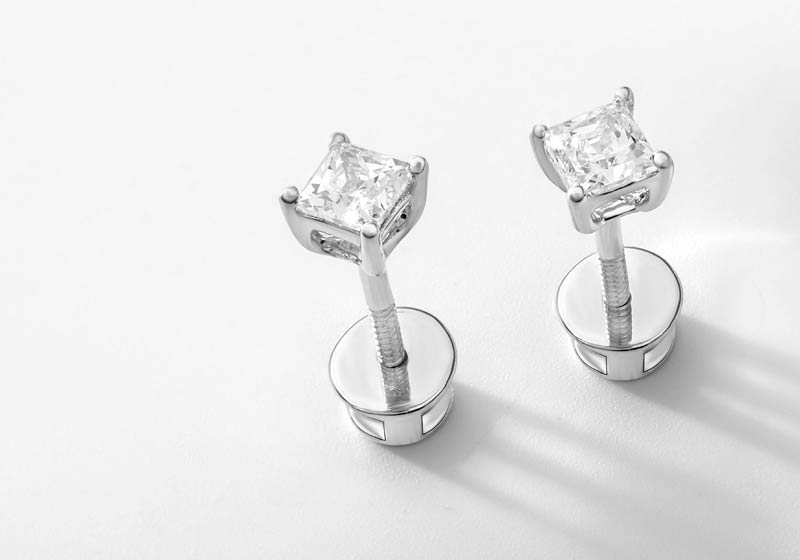
Before you start scrubbing, it helps to understand what you're cleaning. White gold isn't naturally white. It's gold mixed with paler metals like palladium, nickel, silver, or zinc, then almost always coated with a thin layer of rhodium to give that bright, mirror-like finish. That rhodium plating is what you're really protecting. It's durable but thin, and harsh abrasives or aggressive chemicals can wear it down over time, exposing the slightly yellower alloy underneath. So the golden rule of cleaning white gold at home is simple: gentle almost always beats forceful.
Here are ten safe and effective ways to bring your white gold earrings back to life without a trip to the jeweler.
This is the method every jeweler recommends first, and for good reason. Fill a small bowl with warm (not hot) water and add a few drops of mild, non-abrasive dish soap. Place your earrings in the solution and let them soak for 15 to 20 minutes. The warm water loosens grease and grime, while the soap lifts oils away from the metal and any settings. After soaking, gently swish them around, rinse under lukewarm water, and pat dry with a soft, lint-free cloth. This simple routine handles most everyday dullness and is safe to repeat as often as you like.
Earrings have crevices that a soak alone can't reach: the joints, the backs of settings, around prongs, and the base of the post. After soaking in soapy water, take a soft-bristled toothbrush (a baby toothbrush is ideal) and very gently brush these areas. Use light, careful strokes rather than scrubbing, since stiff bristles or heavy pressure can leave micro-scratches on rhodium plating over time. Pay special attention to the area where the post meets the earring, as that's where the heaviest buildup tends to hide. Rinse and dry afterward. This step makes a noticeable difference on intricate or gemstone-set pieces.
For a quick refresh between deep cleans, nothing beats a dedicated jewelry polishing cloth or a clean microfiber cloth. These are designed to buff away light tarnish, fingerprints, and dullness without scratching. Simply rub the surface of the earrings gently in straight lines rather than circles, which tends to produce a more even shine. Avoid paper towels and tissues, which contain wood fibers that can leave fine scratches. Keep a polishing cloth in your jewelry box and give your earrings a quick wipe each time you take them off. This little habit prevents buildup and keeps the rhodium looking fresh for far longer.
Earrings are unique among jewelry because part of them goes through your skin. That makes hygiene as important as shine. Dip a cotton ball or cotton swab in isopropyl (rubbing) alcohol and wipe down the posts and backs thoroughly. Alcohol cuts through oils and disinfects, which helps prevent irritation and infection, especially if your piercings are newer or sensitive. It evaporates quickly and leaves no residue. Be cautious around glued-in gemstones or pearls, as alcohol can weaken adhesives and damage porous stones, so keep it to the metal posts only on those pieces.
Hydrogen peroxide is another excellent disinfectant that doubles as a gentle cleaner. Pour a small amount of standard 3% hydrogen peroxide into a bowl and let your earrings soak for a few minutes, or apply it to a cotton pad and wipe them down. It bubbles away bacteria and loosens grime trapped on the posts and metalwork. Like alcohol, it's best reserved for solid metal portions and should be kept away from soft or porous gemstones such as pearls, opals, and turquoise. Rinse with water and dry well afterward. This is a great option when your earrings need more than soap but you want to avoid anything abrasive.
White vinegar can help dissolve mineral deposits and light tarnish on solid white gold. Mix equal parts white vinegar and warm water, then soak the earrings for about 10 to 15 minutes before rinsing thoroughly and drying. Because vinegar is mildly acidic, use it sparingly and only on plain metal pieces without delicate gemstones or pearls, which acid can etch or dull. Don't leave earrings soaking for hours, and always rinse completely so no acidity lingers on the metal. Used occasionally and carefully, this is an effective, low-cost way to tackle stubborn film that soap alone leaves behind.
Baking soda is a popular home remedy, but it requires a light touch on white gold because it is mildly abrasive and can scratch rhodium plating if overused. If you choose this method, make a thin paste of baking soda and water, apply a small amount with your fingertip or a very soft cloth, and rub extremely gently. Avoid using it on a regular basis, and skip it entirely on heavily plated or gemstone pieces. Rinse immediately and thoroughly. Think of this as an occasional treatment for stubborn tarnish rather than a routine clean. When in doubt, the soap method is the safer choice.
Ammonia produces an impressively bright shine, which is why it appears in many commercial jewelry cleaners. To use it at home, mix one part household ammonia with about six parts water and soak the earrings for no more than a minute or two before rinsing well. This method works only on solid white gold and diamonds. Never use ammonia on pearls, emeralds, opals, or other soft or treated stones, as it can permanently damage them. Always work in a ventilated area, and don't soak for long. Because ammonia is strong, use it rarely and only when gentler methods haven't delivered the brilliance you want.
Home ultrasonic cleaners use high-frequency vibrations in a water bath to shake loose dirt from every crevice, and they can do a remarkable job on solid white gold and securely set diamonds. Fill the unit with water and a little mild detergent, place the earrings inside, and run a short cycle. The catch is that the vibrations can loosen stones in worn settings and can crack or damage fragile gems like emeralds, opals, and pearls. Inspect your earrings first, and if any stones feel loose or the setting looks worn, skip this method. For sturdy, simple pieces, though, it delivers a thorough, professional-level clean at home.
When you want a reliable, no-guesswork option, a jewelry cleaner formulated for gold is hard to beat. These products are balanced to clean effectively without harming metal or most stones, and many come with a small basket and brush. Read the label carefully to confirm it's safe for white gold and for any gemstones in your earrings, then follow the instructions exactly, since soak times matter. Rinse and dry afterward as directed. Keeping a bottle on hand makes regular maintenance effortless and takes the uncertainty out of mixing your own solutions.
Cleaning is only half the battle. To keep your earrings sparkling longer, put them on last when getting ready, after applying lotion, perfume, and hairspray, so they avoid the worst of those residues. Take them off before swimming, since chlorine can damage gold over time, and before showering or exercising. Store them separately in a soft pouch or lined box so they don't rub against harder pieces and pick up scratches.
Finally, remember that rhodium plating naturally wears thin over the years. If your earrings start looking slightly yellow or grey even after a thorough clean, that's not dirt you can scrub away. It's a sign the plating has worn down, and a jeweler can re-plate them to restore that crisp white shine, usually quite affordably. With gentle regular care at home and the occasional professional touch-up, your white gold earrings can keep their brilliance for a lifetime.
Best Jewellery Stores in the USA on the https://jewelry.grandiani.com/
 Business Directory
 For Business Owners
 Popular categories